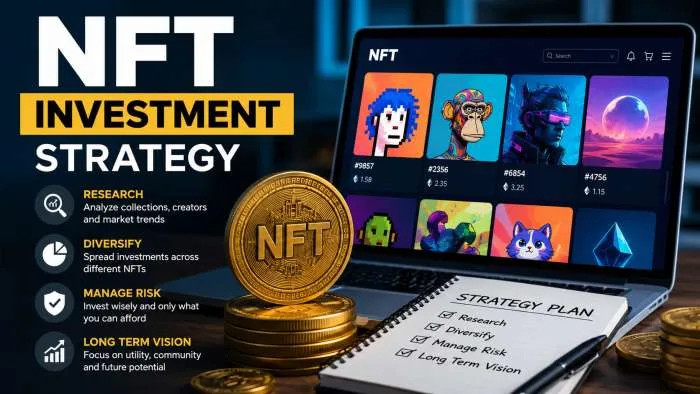
An NFT investment strategy is just a simple plan to buy and sell digital tokens for profit. To get started, you must pick a safe NFT investment platform like OpenSea and get a crypto wallet. A smart nft investment strategy for beginners means you check the project team and community before you spend any cash. You must only use money you can afford to lose and know your exact sell goals. This basic setup helps you navigate the choppy crypto markets without losing your shirt.
The Easy Way to Start Investing in NFTs
It might look complex, but investing in NFTs can be broken down into a few clear steps. Think of it like a digital treasure hunt. You get to explore art, games, and collectibles. But you also need to be careful and smart. This guide will help you build a strong NFT investment strategy from the ground up.
Getting to Know the Digital Frontier
Before putting any money in, you need to understand the basics. An NFT is a special digital token. It proves you own something unique online. This can be art, music, a video clip, or even a ticket to an event. The "non-fungible" part means it's one-of-a-kind. You can't swap one NFT for another like you would with Bitcoin. This is because each one has its own special data.
These digital assets are stored on a blockchain. This is a public and secure ledger. It tracks who owns what. The Ethereum network is the most popular one for NFTs. To buy one, you usually need a cryptocurrency, like ETH. You will keep your tokens in a crypto wallet. This wallet is your digital key. It lets you buy, sell, and store your NFTs safely.
You may also read:- NFT Guide for Beginners: Everything You Need to Know Before Buying
Why Craft a Solid NFT Investment Strategy?
You need a plan before you start any journey. The NFT market is famous for its wild ups and downs. Prices can shoot up or crash in a single day. A clear NFT investment strategy helps you avoid making emotional choices.
Why is this plan so important? It helps you manage risk and stay focused. It stops you from buying a "cool" NFT just because it's popular. Instead, you will buy things that fit your goals. A good strategy also helps you know when to sell for a profit. It gives you a rule to follow. This is better than just guessing and hoping for the best.
Decoding the NFT Investment Strategy
A smart NFT investment strategy is built on research and careful planning. It's not about hype or following the crowd. It's about making informed choices. This can help lower your risk and give you a better chance to see returns over time.
How to Pick a Winning NFT
Finding a good NFT takes more than just luck. You need to do your own research. People in the know often call this "DYOR," or Do Your Own Research. Here is a simple checklist to help you pick strong projects.
First, check the team. Are the creators real people with a good history? Many scams happen because the creators are unknown or fake. Look for projects with "doxxed" teams. This means the creators have shared their real identities.
Second, look at the community. Are people talking about the project? Is the community active and excited? A strong community can help a project grow. They create buzz and can drive up demand. Check their Discord or Twitter.
Third, examine the utility. Does the NFT do anything useful? Does it give you access to special events, games, or merchandise? Projects with real utility often have more lasting value. They are more than just a pretty picture.
Fourth, check the roadmap. Does the project have a clear plan for the future? The team should have goals and deadlines. This shows they are serious about building something long-term.
Finally, look at the metadata. Is the information about the NFT stored securely? On-chain metadata is often seen as safer than off-chain.
Direct Route: Buying on NFT Marketplaces
The most common nft investment strategy is to buy NFTs directly. You do this on an NFT investment platform, often called a marketplace. These are like online shops for digital collectibles.
Here is how to make your first purchase on an NFT investment platform.
Step 1: You must get a crypto wallet first. This tool stores your cash and digital items. Most people use MetaMask, Coinbase Wallet, or Trust Wallet. Write down your secret seed phrase on paper. Keep this paper hidden in a safe spot. Do not show it to anyone, or they can take your money.
Step 2: Fund Your Wallet. You will need cryptocurrency to buy NFTs. Ethereum (ETH) is the most common. You can buy ETH on an exchange like Coinbase. Then, send it to your wallet address. Double-check the address before you send. Sending to the wrong address could mean losing your money for good.
Step 3: Link your new wallet to a trading website. OpenSea is a top choice for your first trade because the setup is simple. You can check out Magic Eden if you want to buy on the Solana network instead. Read user reviews and look at the trade fees before you pick one.
Step 4: Buy Your NFT. Browse the collections and look for something that fits your strategy. When you find one, click "Buy" or place a bid if it's an auction. Approve the transaction in your wallet. You will have to pay a small gas fee for the transaction. This fee goes to the blockchain network.
Minting on NFT Marketplaces
Minting is the process of turning a digital file into an NFT on the blockchain. This is how new NFTs are created. It's a different path than buying from someone else.
You can mint an NFT as a creator or as an investor. As an investor, you might mint a new NFT from a popular project. This could be cheaper than buying it on the secondary market later. "Gas fees" are the costs for minting, and they change based on network traffic. You need to pay these fees in crypto. Some marketplaces let you mint for free, but the buyer pays the gas fee later.
The minting process usually looks like this:
- Create your digital file.
- Connect your wallet to the marketplace.
- Use the "Create" tool to upload your file.
- Add a title and description.
- Choose to sell it at a fixed price or at auction.
- Confirm the transaction and pay the minting fees.
Building Your NFT Investment Portfolio
Once you know the basics, you need to think about your overall portfolio. A wise NFT investment strategy treats NFTs as one part of your larger financial picture. You shouldn't put all your eggs in one basket.
How to Diversify Your NFT Holdings
Diversification is a fancy word for "don't put all your money in one place." This is a key part of any good NFT investment strategy. Some experts see NFTs as a separate asset class. This is because they sometimes don't move with the stock market.
You can diversify your NFT portfolio by segment. This is a smart idea.
- Art: This includes digital paintings and generative art. Historical data shows this segment can act as a hedge. This means it might protect your portfolio during rough times.
- Collectibles: Think of CryptoPunks or Bored Ape Yacht Club. These are like digital trading cards. They are popular and have a strong community.
- Online Games (GameFi): These NFTs can be characters, weapons, or virtual land in games. Some research shows these tokens could be safe havens.
- Metaverse: This is virtual real estate in digital worlds like Decentraland. People can buy and sell land here.
Each segment has different risks. By spreading your money across a few of these areas, you could lower the chance of losing everything.
How Many NFTs Should I Own in My Portfolio? H4
The number of NFTs you own is less important than the quality. A smart nft investment strategy for beginners is to start small. You might begin with just one or two NFTs from strong projects. There's no "perfect" number.
Some experts say you should only put a small part of your total investments into NFTs. They can be very risky. It's like buying a lottery ticket, but with better odds. You should start with money you are comfortable losing. As you learn more, you can grow your collection.
Indirect Route: Exposure Without Owning an NFT
You don't have to own an NFT to benefit from the market. This is called "indirect exposure." Some investors choose this path to avoid the hassle of wallets and gas fees.
- NFT Stocks: You can buy stocks in companies that are involved in the NFT space. This could be an NFT marketplace, a gaming studio, or a blockchain company. Their success is tied to the overall health of the market.
- Thematic ETFs: An ETF is a fund that holds a basket of stocks. Some ETFs focus on blockchain technology or the metaverse. This gives you instant diversification. You don't have to pick individual stocks or NFTs yourself.
This is an easier way to get started. It requires less technical knowledge. You can buy these just like you buy regular stocks.
Managing Risk and Staying Safe
The world of NFTs is exciting, but it's not without danger. A good NFT investment strategy takes safety very seriously.
Protect Yourself from Scams and Mistakes
Scams are common in crypto. You have to protect your assets.
- Phishing Attacks: Never click on links from unknown sources. Be careful of "airdrop" messages that tell you to connect your wallet to get free NFTs. Scammers use this to drain your wallet.
- Rug Pulls: This happens when a project's creators take the money and disappear. The project is a scam from the start. To avoid this, only invest in projects with verified teams and a strong community.
- Smart Contract Risk: The code that makes an NFT work can have bugs. These bugs could be exploited by hackers. This is why doing your research on the project's code is important.
- Counterfeit NFTs: Scammers will copy a famous NFT and try to sell it as the real thing. Always verify the smart contract address. This is the NFT's unique ID on the blockchain.
Setting Up Your Wallet and Tracking Your Portfolio
Security starts with your wallet. For large holdings, many experts suggest a "cold wallet." This is a physical device that stores your crypto offline. It's like a safe for your digital money. A "hot wallet" (like MetaMask) is online and easier to use but riskier.
It's also smart to track your NFTs. A portfolio tracker can help you see your profits and losses. Some apps, like AssetDash, let you track your holdings all in one place. This helps you follow your nft investment strategy and see if you are on track.
The Future
The NFT market is still young and full of potential. The market value reached staggering heights in recent years. The total trading volume in the NFT market has been massive. More than just art, NFTs are expanding into music, games, and virtual real estate.
A study shows how NFTs might act as a hedge against the stock market. In one study, NFTs were seen as key transmitters of value in a financial system. This hints at their growing role in the wider economy. As the technology matures, owning a strong NFT investment strategy will become even more important.
FAQ
What is the best NFT investment strategy for beginners?
You need to start small. Set up a crypto wallet first. Learn how your seed phrase and keys work. Pick a major site like OpenSea. Buy just one cheap token from a verified project. Trading this way teaches you how things work without losing your savings.
How do I choose a safe NFT investment platform?
Look for big websites that have a clean track record and plenty of daily users. Good sites show clear fees and user reviews. Always make sure the shop connects easily to your own wallet before you send any money.
Can investing in NFTs make you money?
Yes, you can make cash, but you can also lose it all. Some early buyers got rich off top collections. Yet, thousands of projects went to zero fast. The market moves quick, so do not spend cash you need for bills.
Are NFTs a good long-term investment?
There is no simple "yes" or "no" answer. Some studies show NFTs can offer diversification benefits. They don't always move with the stock market. However, they are still very new. Their long-term value is uncertain. They are best seen as a speculative part of a larger, diversified portfolio.